
When you are buying a home, UPVC windows can look like a simple tick-box. They are either “double glazed” or they are not. In reality, building inspectors look beyond the frame material and focus on performance, condition, safety, and signs of hidden problems.
This guide explains what building inspectors are looking for in relation to UPVC windows, and what their findings can mean for you as a buyer. It covers the good signs, the common faults, and the expensive “ugly” issues that can point to water ingress or structural movement.
UPVC windows are generally low maintenance, but not no-maintenance. Small defects like worn handles or poor alignment can be cheap fixes. Larger defects like failed seals, drainage problems, or distorted frames can indicate deeper moisture or installation issues.
Use this as a practical checklist before your viewing, and as a way to understand a survey report if you are already under contract.
1) First impressions: are the UPVC windows working as windows?
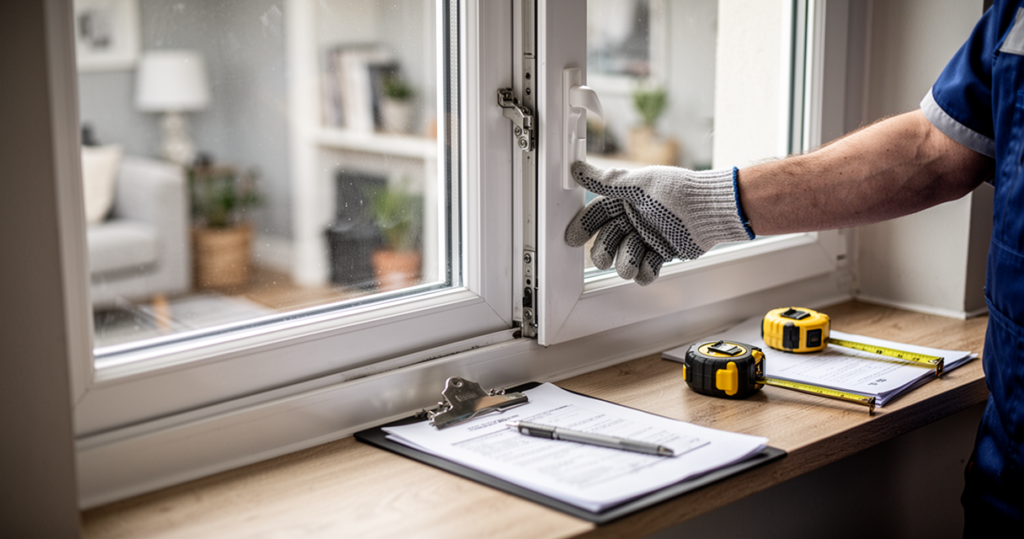
Inspectors start with function because it reveals a lot quickly. A window that is hard to open, hard to lock, or scrapes the frame may be a minor adjustment issue. It can also be a hint of hinge wear, installation problems, or building movement.
They will typically open and close a representative sample (sometimes all accessible windows) and check that locks engage smoothly. If keys are missing, that is noted because it affects security and safe ventilation.
- Sashes that bind, drop, or rub on the frame
- Locks that do not engage cleanly or require force
- Handles that are loose, cracked, or mismatched
- Windows painted shut or obstructed by finishes
2) Frames and installation: what upvc window frames can reveal
Inspectors look closely at upvc window frames for straightness, fixing quality, and gaps that suggest a poor fit. UPVC itself does not rot, but the surrounding building fabric can. That is why they pay attention to sealant lines, trim, and the interface with masonry or cladding.
A neat install does not guarantee a watertight one. Conversely, messy sealant is not always a leak, but it raises questions. If there are gaps, cracked sealant, or signs of movement, an inspector may recommend further checks or maintenance to prevent water ingress.
- Cracked or missing perimeter sealant
- Visible gaps between frame and wall opening
- Frames that look bowed or out of square
- Staining or damaged finishes around the reveals
3) Hardware and wear points: hinges, handles, and alignment
Hardware is a common failure point, especially on older installations. Inspectors often note old style upvc window hinges that are worn, corroded, or have play. Hinges and keeps that are out of alignment can cause poor sealing and drafts.
Many issues are fixable with maintenance. For casement styles, upvc casement window adjustment can restore smooth operation and a better seal. If parts are obsolete, repairs may involve sourcing compatible replacements or upgrading hardware sets.
Handles get flagged when they are loose, stiff, or do not return properly. Buyers often ask about quick fixes like fab and fix upvc window handles. A handle swap can be straightforward, but it only solves the symptom if the underlying alignment or lock mechanism is worn.
- Hinges that sag, squeak, or show corrosion
- Gaskets that are compressed, torn, or missing
- Locking points that do not align with keeps
- Handles that spin, wobble, or feel gritty
4) Glazing performance: fogging, drafts, and water management
A key check is whether the glazing unit is performing. Moisture or fogging between panes usually suggests a failed seal in the insulated glass unit. That is not typically a frame failure, but it can reduce energy performance and clarity.
Inspectors also look for drafts and cold spots, but they do not always test airtightness formally. They use observation: uneven closing pressure, worn seals, or visible daylight at corners.
Water management matters. UPVC systems rely on drainage paths. If those are blocked by dirt, paint, or poor finishing, water can back up and show as damp staining inside.
- Condensation or misting between panes
- Water staining at corners or below the frame
- Blocked drainage openings on the exterior
- Loose or degraded glazing beads and seals
5) Interior clues buyers miss: upvc window sills interior and nearby damp
Inspectors spend time inside because that is where moisture damage often shows first. upvc window sills interior are checked for staining, swelling of nearby timber trims, peeling paint, and mold. While UPVC surfaces may look fine, adjacent plaster and joinery can reveal a history of condensation or leaks.
They also consider ventilation and occupant habits. Condensation on interior glass can be normal in cold weather, but persistent mold at reveals can indicate poor airflow, thermal bridging, or a window that is not sealing properly.
- Peeling paint or bubbling plaster near the opening
- Mold at corners or behind curtains and blinds
- Soft or damaged skirting near windows
- Musty smells around the window bay
6) Safety, access, and usability: screens, openings, and obstructions
Inspectors note whether windows provide safe ventilation and emergency egress where relevant to the room and local expectations. They also look for hazards like damaged glass or sharp hardware.
If a property has a diy casement window screen, the concern is usually quality and fit. A poorly fitted screen can interfere with closing, prevent proper locking, or trap moisture if it blocks drainage paths.
- Restricted openings due to furniture or poor layout
- Screens that prevent full closure or locking
- Cracked glass or damaged beading
- Loose restrictors or missing safety features
7) The “good, bad, and ugly” for buyers: what findings mean in real life
A survey comment is most useful when you understand the likely cause and the likely next step. Some items are routine maintenance. Others change your risk as a buyer because they can point to hidden moisture or poor installation.
Inspectors may not dismantle windows or guarantee the cause of damp without invasive checks. If signs suggest leaks or movement, they will usually recommend specialist assessment before you commit.
- Good: smooth operation, even gaps, tidy seals, no staining
- Bad: stiff locks, worn gaskets, sagging sashes, minor fogging
- Ugly: repeated damp patterns, rotten adjacent timbers, major frame distortion
- Ugly: widespread seal failure across many units (budget for replacements)
8) Paperwork and specifications: what an inspector may ask about
Documentation is not always available, especially in older homes, but inspectors will note what they can see and what is missing. They may comment on whether the installation appears consistent with expectations for safety glazing in certain locations, or whether it looks like a DIY job.
If the seller has details, upvc window specification sheets or receipts can help you understand age, glazing type, and warranty status. Missing paperwork is not automatically a problem, but it can affect your confidence in the installation and future parts availability.
If the property includes used upvc doors, inspectors look for similar issues: alignment, security hardware, seals, and signs of water ingress at thresholds.
- Approximate age and condition of the installation
- Visible markings on glass (if present) and overall build quality
- Any history of leaks, repairs, or repeated adjustments
- Whether parts look non-matching or improvised
9) Layout and design interactions: when the room setup creates window problems
Not all window issues are the window’s fault. Room layout can block airflow, trap condensation, or make maintenance harder. For example, a cupboard design with window can restrict access to handles, limit opening, or create cold corners where moisture forms.
Inspectors often note practical limitations because they affect how the home is used. As a buyer, you can decide whether to change furniture or joinery, or accept the limitation.
- Cupboards or built-ins that block opening or locking
- Curtains and blinds that trap moisture at the glass
- Limited access that prevents cleaning and seal checks
- Heat sources or vents positioned in ways that worsen condensation
10) Buyer maintenance checklist: how to keep UPVC windows in good shape
Once you own the home, basic care reduces surprises. Most UPVC window problems start small: dirt in tracks, dry seals, loose fixings, or gradual hinge sag. A simple routine can extend lifespan and reduce drafts.
If you are considering upgrades, look for innovative upvc designs that improve sealing, drainage, and hardware robustness. Just be cautious about mixing components across systems, because compatibility varies.
- Clean frames and drainage paths so water can escape
- Lubricate moving hardware as recommended by the manufacturer
- Check gaskets for damage and replace if needed
- Schedule adjustments if sashes start rubbing (do not force locks)
Frequently Asked Questions
They typically do not “fail” a house. They report condition and risks. Serious issues like active leaks, safety concerns, or widespread failure can affect negotiations and repair plans.
Usually no. It often indicates the insulated glass unit seal has failed. The frame may still be fine, but the glass unit may need replacing.
Not always. Sometimes it is cleaning, lubrication, or alignment. If the lock mechanism is worn or parts are obsolete, the cost and effort can increase.
Repeated damp staining or mold around multiple windows, especially with damaged surrounding finishes. That can suggest leaks, poor installation, or broader moisture issues.
Often yes for minor tweaks, but it depends on the hardware and condition. If the sash is dropping significantly or the frame is distorted, a professional assessment is safer.
Check them the same way: alignment, sealing, secure locking, and water ingress at thresholds. A door that drags or does not lock smoothly can indicate wear or movement.