
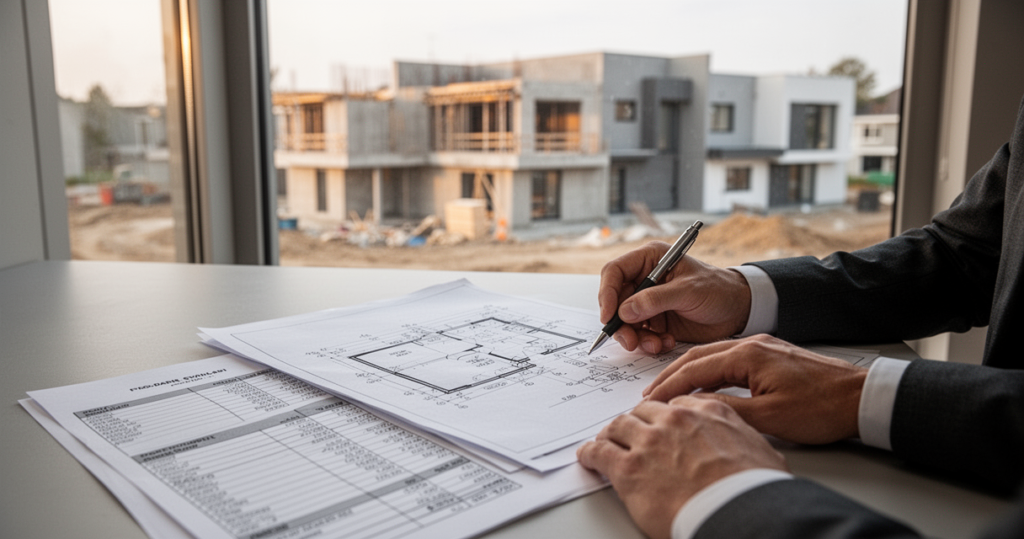
Removing Emotion from a development of a property build is not about being cold. It is about protecting your time, budget, and future options when the stakes are high.
Many clients begin with excitement, then drift into stress as decisions stack up: design changes, contractor issues, and surprise costs. After handover, that emotional trail can turn into regret if the build no longer fits the original investment or lifestyle goal.
Past experiences can also quietly shape new projects. If you have been burned before, it is easy to overcorrect, delay decisions, or chase perfection to avoid feeling that disappointment again.
This article gives you a clear framework to make property build decisions based on evidence, not emotion, and to document choices so you can feel confident long after the keys are handed over.
Why emotion creeps into property build decisions
A property build combines money, identity, and time pressure. When those three collide, emotional decision-making becomes the default, not the exception.
Emotion often shows up as urgency (rushing choices), attachment (falling in love with a feature), or fear (avoiding decisions). It can also show up as defensiveness when advice challenges your vision.
The goal is not to eliminate feelings. The goal is to prevent feelings from becoming the decision criteria.
- High spending triggers loss aversion and fear of mistakes
- Visual choices feel personal, even when they harm resale or rentability
- Schedule delays create panic decisions and costly variations
- Previous bad experiences can cause mistrust and overcontrol
Start with a written brief that separates needs, wants, and ego
Regret often starts with an unclear brief. If your brief is mostly inspiration images, you are building on emotion. A strong brief is specific about outcomes and constraints.
Write three lists: non-negotiable needs, flexible wants, and nice-to-have features. Then add a fourth category: features you want mainly because they signal success or status. That last list is not wrong, but it should be acknowledged and priced honestly.
If your plan includes rental income, also define what a tenant actually pays for. If it is a personal home, define the daily routines the design must support.
- Define the primary purpose: personal use, resale, or rent
- Set a maximum budget and a separate contingency amount
- List 5 non-negotiables that must survive value engineering
- Write your decision rules in one sentence (example: function and cost first, aesthetics second)
- Related: [Internal Link Placeholder]
Use a decision framework for every upgrade and change request
The most emotional moment in a build is the upgrade. It often arrives when you are tired, under pressure, and standing in a showroom full of attractive options.
Use a repeatable scoring method so each upgrade competes on the same playing field. You can use a simple 1 to 5 score across factors like return, durability, maintenance, and buyer or tenant appeal.
If you are building to rent, anchor decisions to your rental strategy. If you are learning how to buy property to rent, apply the same thinking during design: prioritize features that reduce vacancy and maintenance, not features that photograph well once.
When you are tempted to change the plan mid-build, force a pause. Most regrets are not from the original design. They come from reactive changes.
- Ask: will this reduce operating costs or future repairs?
- Ask: will this broaden buyer or tenant appeal, or narrow it?
- Ask: does this delay the schedule and increase holding costs?
- Require a written cost, a written time impact, and a written trade-off (what gets cut to fund it)
- Wait 48 hours before approving non-essential changes
Make the numbers the referee, not your mood
Emotion gets loud when the numbers are fuzzy. Build a simple project model that you can understand at a glance. You do not need advanced spreadsheets, but you do need clarity.
At minimum, track three totals: committed spend, forecast final cost, and remaining contingency. Update it whenever a quote, variation, or material change appears.
If you are comparing locations or property types, keep your analysis consistent. You might browse online property listings for ideas, but do not let a polished listing description override your budget rules or feasibility checks.
- Separate base build cost from upgrades and site costs
- Track holding costs if the project is delayed
- Estimate operating costs: maintenance, insurance, utilities where applicable
- Create a stop rule (example: pause decisions if contingency drops below a set threshold)
- Related: [Internal Link Placeholder]
De-risk the build with evidence, not anecdotes
Clients often make emotional choices based on a single story: a friend who made money, a neighbour whose builder failed, or a previous project that went wrong. Stories are useful, but they are not a plan.
Replace anecdotes with a short evidence checklist. If you are choosing a builder, focus on transparent scope, documented inclusions, variation process, and communication standards. If you are choosing a site, focus on constraints and approvals that can affect time and cost.
When you feel your past experience is clouding judgment, name it. You can say, in writing, what you are trying to avoid this time. That turns a fear into a requirement you can manage.
- Request a detailed scope with clear inclusions and exclusions
- Confirm who manages the build day-to-day and how updates are delivered
- Document the variation process before the first invoice arrives
- Use independent inspections where appropriate and available
- Keep a decision log so you remember why choices were made
Separate personal taste from market reality
A common regret is building a property that perfectly matches a personal vision but performs poorly as an investment. Even if you never plan to sell, life changes. Flexibility protects you.
This matters even more when your project touches mixed use decisions, such as when people want to use residential property for business. It can be viable, but it must be assessed carefully with local rules, lender requirements, and neighbourhood fit. Verify these details with qualified professionals in your area.
If you are evaluating an investment market, keep your analysis calm and consistent. For example, the surfers paradise property market will not behave the same way as other locations. The same is true when comparing opportunities you might see in commercial property in frome versus a listing labeled commercial property for sale in kollam. Market differences are real, but they should be evaluated with comparable data, not hype.
If you are looking at international portals or relocating, treat platforms like property finder abu dhabi for sale as a lead source, then validate details independently before you anchor decisions to them.
- Aim for neutral, durable finishes if resale or rent matters
- Choose layouts that suit the widest range of users
- Avoid over-customization that makes future changes expensive
- Validate any market claims with multiple sources and local experts
- Related: [Internal Link Placeholder]
How to evaluate listings without getting emotionally attached
Whether you are sourcing land, a renovation candidate, or a commercial site, attachment can form before you run the numbers. Photos, staging, and lifestyle language are designed to trigger feelings.
Use a two-pass process. First pass is a fast filter based on non-negotiables. Second pass is a deeper review based on feasibility, risk, and total cost.
If you are scanning categories like commercial property for sale in renton, commercial property for sale in irving tx, or commercial property for sale in beaumont ca, keep the same checklist across every listing so your standards do not change with your mood.
- First pass: location fit, size, access, and budget range
- Second pass: constraints, approvals, condition, and realistic timeline
- Treat listing descriptions as marketing, not documentation
- Do not negotiate against yourself because you feel attached
- Related: [Internal Link Placeholder]
Frequently Asked Questions
You cannot remove emotion completely, but you can stop it from driving decisions by using written criteria, budgets, and a consistent approval process.
Uncontrolled upgrades, mid-build layout changes, and unclear scope are common causes. These usually increase cost and reduce functionality.
Use a decision log, require written cost and time impacts for changes, and wait 48 hours before approving non-essential variations.
Score it against durability, maintenance, appeal to future buyers or tenants, and schedule impact. If it fails two or more categories, skip it.
Yes. Prioritize flexible layouts and durable finishes. Keep highly personal features limited or easy to reverse later.
No. online property listings are a starting point. Always verify details with inspections, documentation, and local professionals before committing.