
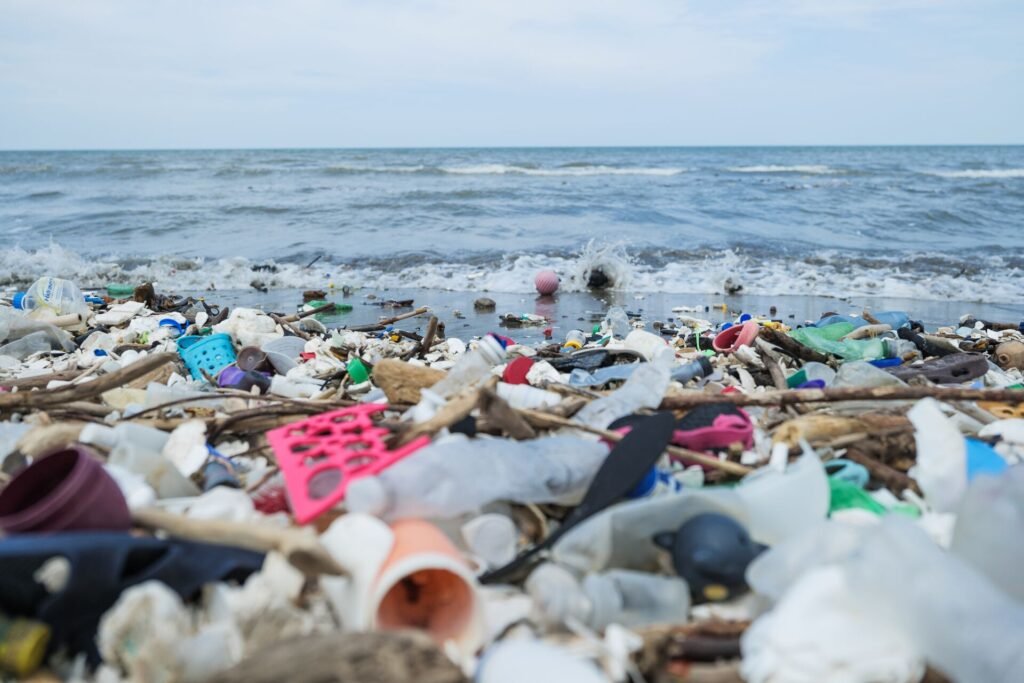
Sea pollution is not a single problem with a single fix. It is the result of many everyday choices and system-level gaps that allow waste, chemicals, and excess nutrients to reach the ocean.
This guide focuses on practical ways to stop pollution before it becomes a marine problem. You will learn what causes pollution in coastal waters and open seas, and what individuals, businesses, and communities can do about it.
Preventing ocean pollution is also one of the most direct ways to protect food systems, tourism, and public health. Cleaner seas mean healthier fisheries, safer beaches, and stronger coastal economies.
You do not need to be an expert in environmental science and technology to make a difference. Start where you have influence: your home, workplace, and local community.
What sea pollution is and why prevention matters
Sea pollution includes plastics and litter, untreated sewage, industrial discharges, oil and fuel, agricultural runoff, and even harmful levels of underwater sound. It affects marine life, coral and seagrass habitats, and the safety of seafood.
Prevention works better than cleanup. Once pollutants disperse in the ocean, they become harder and more expensive to remove. Microplastics and certain chemicals can persist for a long time, and damage can be difficult to reverse.
If you are looking for reputable ocean pollution articles to learn more, focus on sources that explain methods and evidence, not just headlines.
Related: [Internal Link Placeholder]
- Pollution often starts on land and travels through drains and rivers
- Small sources add up across millions of people and businesses
- Prevention reduces harm and lowers long-term cleanup costs
Understand the causes of pollution that reach the ocean
To stop sea pollution, it helps to map the pathways. Most marine waste originates on land and moves through stormwater systems, wastewater treatment plants, illegal dumping, or runoff from streets and farms.
Common causes of pollution include mismanaged trash, single-use packaging, leaking septic or sewer systems, poorly controlled industrial waste, and spills during transport or at ports.
Some pollution is less visible. For example, microfibers shed from synthetic clothing during washing can move into waterways. Fertilizers can trigger algal blooms that reduce oxygen in coastal areas.
Related: [Internal Link Placeholder]
- Litter and plastic packaging entering drains and rivers
- Runoff carrying oil, metals, and tire dust from roads
- Nutrients and pesticides washing off farms and lawns
- Untreated or poorly treated sewage and wastewater
- Industrial discharges from facilities and ships
Cut plastic and litter at the source (home and daily life)
Reducing waste is one of the simplest footprint solutions that directly lowers marine debris. Focus first on items most likely to become litter: lightweight packaging, bottles, and food wrappers.
Switching to reusables helps, but the bigger win is reducing what you bring into your home in the first place. Choose durable products, repair when possible, and buy in larger formats where it makes sense.
Dispose of waste correctly, especially in windy coastal areas where overflowing bins can send litter straight to the shoreline. Secure your trash and recycling, and keep bin lids closed.
Related: [Internal Link Placeholder]
- Carry a reusable bottle and cup to avoid single-use containers
- Choose products with minimal packaging when options are similar
- Keep a small litter bag in your car and never leave waste on beaches
- Do not flush wipes, cotton buds, or hygiene products
- Join local cleanups, but prioritize prevention habits year-round
Stop chemicals, oils, and micro-pollutants from going down the drain
Household drains connect to wastewater systems that may not remove every contaminant. Preventing environmental pollution includes being careful with what you rinse, pour, or flush.
Even small amounts of oil, paint, solvents, and harsh cleaners can cause problems when multiplied across many households. The safest approach is to treat drains as pathways for water and human waste only, not a disposal system for chemicals.
Laundry is another overlooked route. Using a microfiber filter or laundry bag (where available) and washing full loads can reduce fiber shedding. Choosing longer-lasting clothes can also cut waste upstream.
Related: [Internal Link Placeholder]
- Take used motor oil, paint, and chemicals to approved drop-off points
- Wipe greasy pans with paper before washing to reduce oil in wastewater
- Use the least-toxic cleaner that gets the job done
- Avoid pouring medicines into sinks or toilets – use take-back programs
- Maintain cars and equipment to prevent fluid leaks into storm drains
Business and industry actions: from compliance to leadership
Businesses can prevent sea pollution through better material choices, better containment, and stronger supplier standards. The biggest gains often come from eliminating waste at the source and making handling systems foolproof.
If your operations involve chemicals, pellets, fuels, or high volumes of packaging, focus on containment and spill prevention. Clear storage procedures, secondary containment, and routine inspections matter.
Industrial pollution is sometimes framed as the work of a single pollution industrialist, but real change usually comes from consistent systems: audits, transparent reporting, and practical investments in prevention.
Related: [Internal Link Placeholder]
- Install spill kits and train staff on rapid response
- Use closed containers and covered loading areas where feasible
- Reduce plastic packaging and switch to reusable transport crates
- Track waste streams to find the largest sources and fix them first
- Choose vendors with documented environmental practices
Protect coasts and marine life from ocean noise pollution
Pollution is not only physical debris. Ocean noise pollution can disrupt communication, navigation, and feeding behavior for many marine species, especially in busy shipping lanes and near ports.
Reducing underwater noise often involves operational changes, better maintenance, and smarter routing. Some solutions can also save fuel, which lowers emissions and overall environmental impact.
If you live near a marina or work in maritime transport, consider noise impacts alongside more familiar forms of environmental pollution.
Related: [Internal Link Placeholder]
- Maintain engines and propellers to reduce cavitation and vibration
- Follow speed guidance in sensitive habitats when available
- Avoid unnecessary sonar use and reduce idle time in ports
- Support marine protected areas and seasonal wildlife restrictions
- Encourage quieter vessel designs and retrofits where practical
Support better systems: policy, science, and community infrastructure
Individual action helps, but sea pollution prevention scales fastest when communities improve infrastructure. That includes stormwater management, sewage treatment, waste collection, and recycling systems that actually work for local conditions.
If you want to save the green planet, support solutions that prevent pollution upstream: extended producer responsibility programs, improved litter control, and investment in wastewater upgrades. When evaluating claims, look for credible evidence and transparent methods.
For readers who like deeper research, the phrase environmental science and pollution research impact factor comes up in academic publishing. Impact factor can be one signal of influence, but it is not a guarantee of quality. Prioritize studies that clearly describe data, limitations, and real-world relevance.
Related: [Internal Link Placeholder]
- Back storm drain filters and green infrastructure projects
- Advocate for reliable waste pickup and secure public bins
- Support upgrades to wastewater and septic management
- Ask local leaders how they measure progress and enforce standards
- Share practical ocean pollution articles from credible sources
Frequently Asked Questions
Prevent pollution at the source: reduce waste, keep chemicals out of drains, and support strong waste and wastewater systems.
No. Recycling helps, but reducing and reusing generally prevents more waste from being created and lost into the environment.
Rain washes litter, oil, and other residues into storm drains, then into streams and rivers that flow to the sea.
Do not flush wipes, cotton buds, medicines, oils, or chemicals. Use trash bins and approved drop-off programs instead.
Yes. Excess underwater noise can harm marine animals by interfering with communication and movement, especially near busy shipping routes.
Focus on spill prevention, secure storage, waste reduction, and supplier choices. Track waste streams and fix the biggest sources first.