
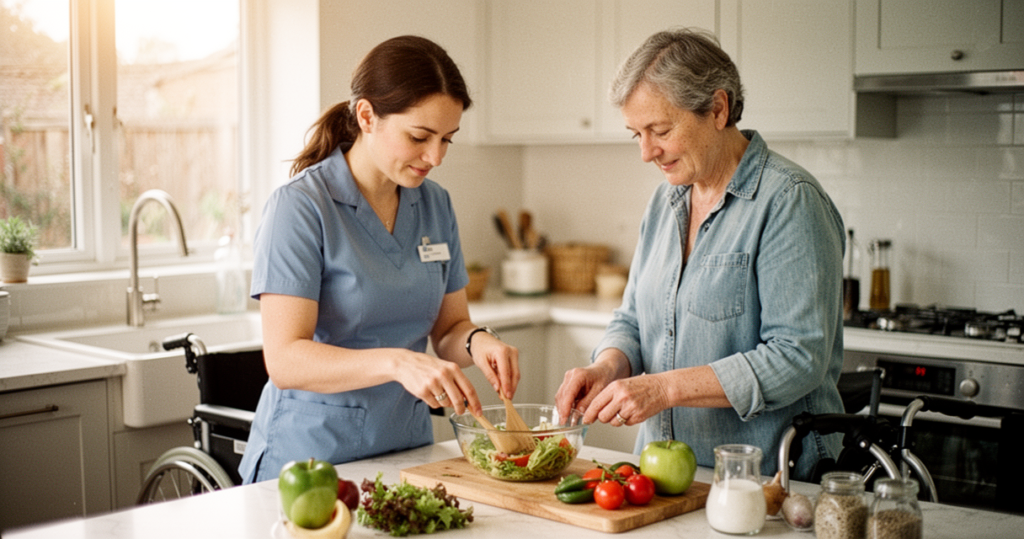
Amazing support services are not just about being available. They are about showing up consistently, listening well, and helping people build the skills and confidence to live the life they choose.
This is where avant support matters. It focuses on practical, day-to-day progress for people living with disabilities, while still respecting personal choice and independence.
Afford’s approach to support is built around improving daily living skills, strengthening social connection, and building capacity over time. The goal is not to do everything for participants. It is to help participants do more for themselves, safely and confidently.
In this article, you will see what “amazing support” looks like in real life, how it can support skill-building and transition goals, and how community participation can be part of meaningful progress.
What “amazing support” looks like in everyday life
Participants often judge support by one thing: does it make daily life easier while helping me grow? Great support services balance reliability with independence.
In practice, that means a clear plan, consistent communication, and staff who know when to step in and when to step back. Good focus support is steady, respectful, and tailored to the person’s goals.
Support should also feel practical. Small wins matter, especially when they build routines that reduce stress and increase confidence.
- Clear, participant-led goals that are easy to understand
- Support that builds routines (morning plans, meal prep, money habits)
- Consistent check-ins and simple progress tracking
- Respect for choice, privacy, and personal pace
Building daily living skills that stick
Daily living skills are the foundation for independence. The best support services treat skill-building as a process, not a one-off lesson.
Afford-style support typically works best when skills are practiced in real settings. For example, learning to cook is easier when it happens in the participant’s own kitchen, using their own tools and preferred foods.
A focus guide can help break big goals into smaller steps, so participants can practice without feeling overwhelmed.
- Cooking and meal planning with simple, repeatable recipes
- Shopping practice: lists, budgeting, and checkout confidence
- Personal care routines and time management
- Using transport safely and planning routes
Upskilling and capacity building over time
Support is most powerful when it builds capacity. That means helping participants gain skills, confidence, and decision-making ability that lasts beyond each appointment.
Progress can look like taking on more responsibility at home, managing appointments, or building communication skills for work and community settings.
When it is relevant, focus beyond transition services can support participants through life changes, such as leaving school, starting training, or preparing for work routines.
- Practicing self-advocacy and asking for what you need
- Building stamina for new routines and responsibilities
- Learning to set goals and review them regularly
- Developing communication skills for community and work settings
Pathways to work and the offer of modified work
Employment-related goals can be part of a participant’s plan when it matches their interests and readiness. The right support helps people explore options safely and realistically.
An offer of modified work can be a helpful pathway for some participants. It may include adjusted tasks, structured hours, or extra coaching so the person can build confidence while contributing meaningfully.
Support services can also focus on work-adjacent skills, such as punctuality, communication, and managing fatigue. These are practical skills that help in many parts of life.
- Exploring strengths, interests, and preferred environments
- Learning workplace routines and expectations step-by-step
- Practicing travel training for commuting
- Building strategies for energy, stress, and sensory needs
Community participation, civic services, and inclusive public spaces
Being part of the community is a key quality-of-life goal. Support services can help participants access local activities and feel confident in public environments.
This is also where civic services and inclusive design can make a difference. Simple changes in public spaces can reduce barriers and increase independence for many people.
Practical civic space examples include quiet areas in libraries, accessible community centers, and clear wayfinding in public buildings. Over time, these kinds of changes become civic improvements examples that benefit everyone.
Some communities trial new ideas too. Thoughtful civic innovation examples might include improved accessibility tools, better booking systems for community facilities, or more inclusive event planning. Related: [Internal Link Placeholder]
- Planning community outings around the participant’s goals
- Practicing communication in real social settings
- Building confidence using public facilities independently
- Finding groups and activities that match interests
How quality is maintained through communication and coordination
Support feels “amazing” when it is coordinated. Participants should not have to repeat their story constantly or manage complex logistics alone.
Strong services use clear communication between the participant, support workers, and relevant stakeholders (with consent). This helps goals stay consistent and reduces gaps in support.
Different programs and teams may also work together. For example, fluence support can complement day-to-day assistance by strengthening overall stability, confidence, and participation. Related: [Internal Link Placeholder]
- Simple, regular updates that focus on goals and next steps
- Clear boundaries and shared expectations for support sessions
- Proactive planning for changes in routine or support needs
- Respectful feedback loops so services can improve
Frequently Asked Questions
Clear goals, consistent support workers, respectful communication, and practical progress in daily life.
It focuses on building everyday skills and confidence so participants can do more tasks on their own over time.
Yes, when it fits the participant’s goals. This can include work readiness skills and an offer of modified work where appropriate.
Accessible community centers, inclusive programs, clearer wayfinding, and staff who understand accessibility needs.
With simple plans, regular check-ins, and coordinated communication that the participant consents to.
Support plans should be reviewed and adjusted so they stay relevant, realistic, and participant-led.